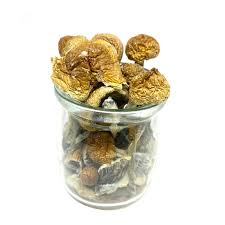
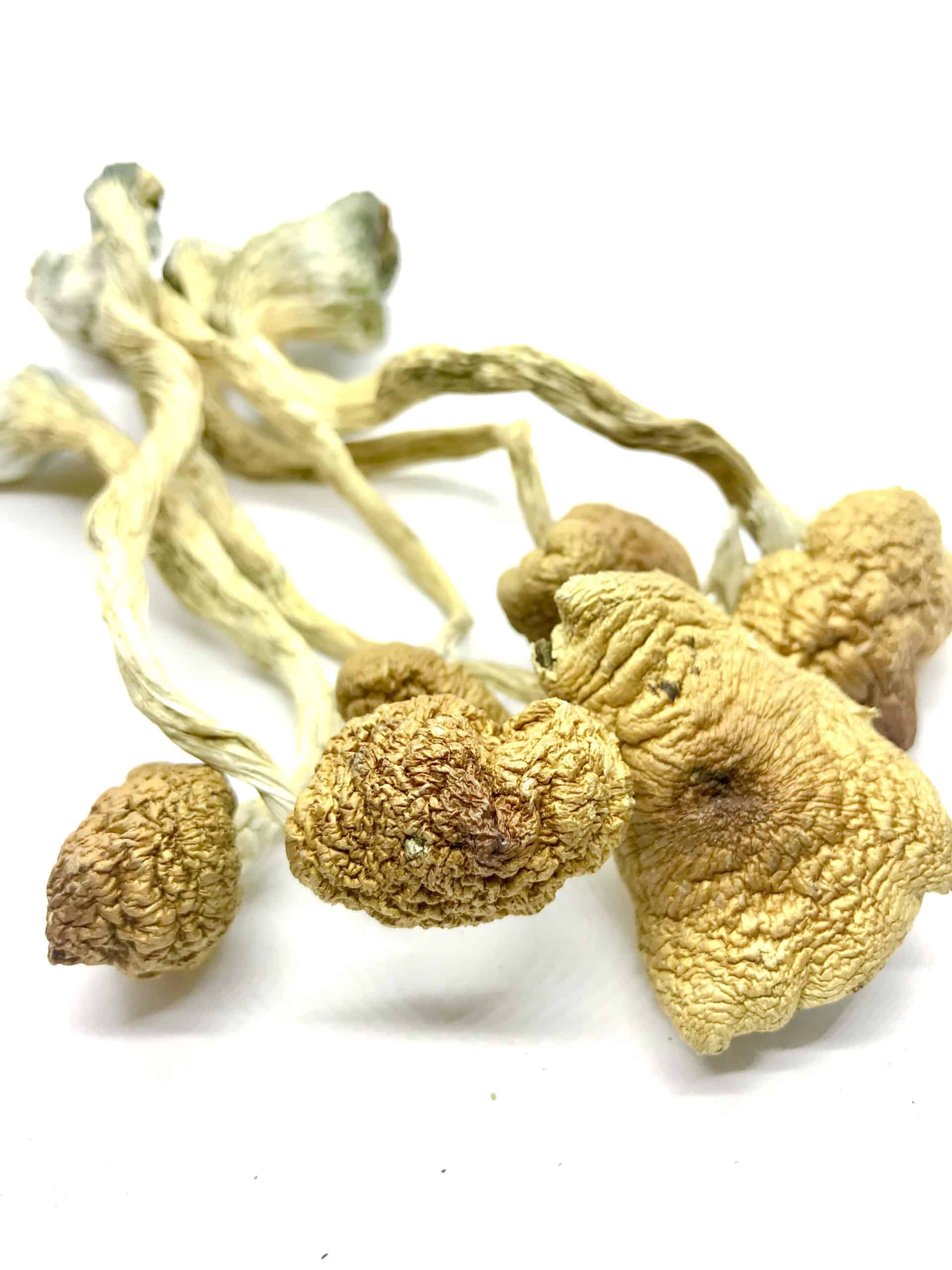
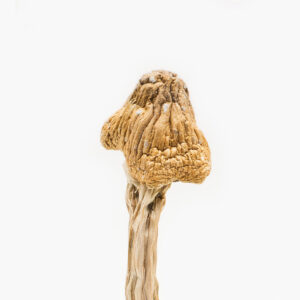
Blue Meanies mushrooms guide Europe introduces one of the most intriguing psychedelic fungi, known for its vibrant blue hues and potent effects. Blue Meanies, scientifically associated with Panaeolus cyanescens, have been celebrated in both scientific studies and recreational contexts for their unique psychoactive properties. While this guide does not encourage illegal consumption, it provides a detailed, educational perspective for enthusiasts, researchers, and students interested in the world of psychedelic mushrooms.
Blue Meanies are a species of psilocybin-containing mushrooms recognized for their striking blue coloration, particularly when bruised. Historically, they have been studied for their psychoactive compounds, primarily psilocybin and psilocin, which interact with serotonin receptors in the brain. This interaction can lead to altered perception, enhanced creativity, and introspective experiences.
Psilocybin, the main psychoactive component, is converted into psilocin in the body. Psilocin affects serotonin pathways in the brain, which are responsible for mood, perception, and cognition. While research continues into the therapeutic potential of these compounds, it is crucial to note that psilocybin remains regulated in most countries.
Blue Meanies mushrooms have attracted attention in scientific studies for their potential in supporting mental wellness, including reducing anxiety, improving mood, and promoting cognitive flexibility. Research is ongoing, but preliminary studies suggest a controlled and monitored environment may allow for therapeutic benefits.
It is important to understand the legal and safety aspects surrounding Blue Meanies. They are illegal in many European countries, so knowledge about legislation is critical. Additionally, effects can vary widely based on dosage, environment, and individual sensitivity. Educational guides recommend understanding risks, potential side effects, and responsible approaches when studying psychedelic substances.

Reviews
There are no reviews yet.